
Commercial Opportunities
A model designed to stand on its own
The Institute is proposed as a commercially self-supporting organisation. Membership, hospitality, events, clinical services and player development are structured so that the sporting pathway is funded by trading, not by annual appeals.
Revenue streams
Six categories, deliberately uncorrelated
No single line carries the business. Weekday conferencing offsets weekend sport; clinical services trade through the summer; hospitality peaks when the pitches are busiest.
Membership and training
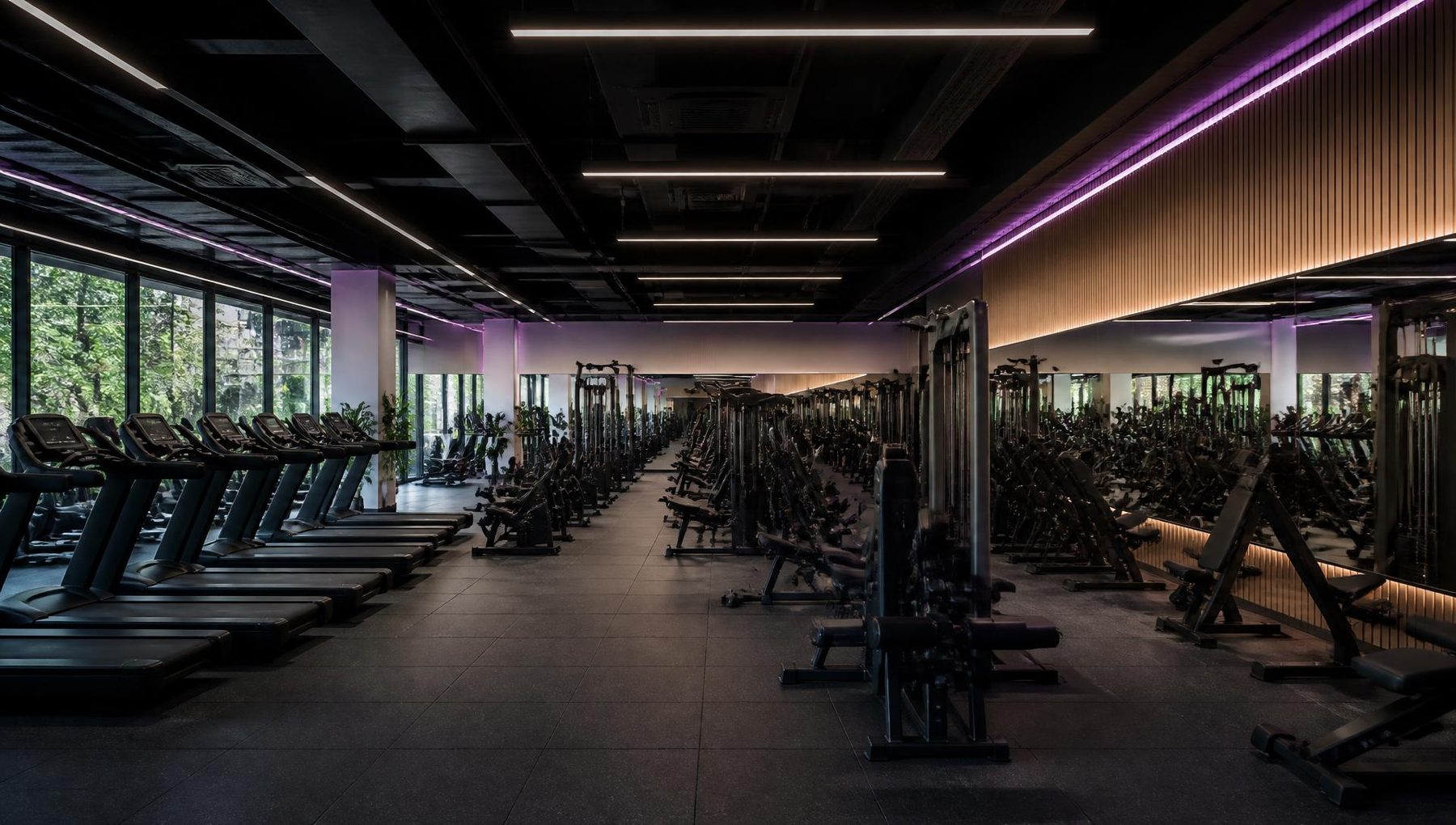
Women’s gym membership, strength and conditioning access, recovery packages, personal training and gym-and-crèche bundles. The largest and most predictable recurring income line.
Food, beverage and retail
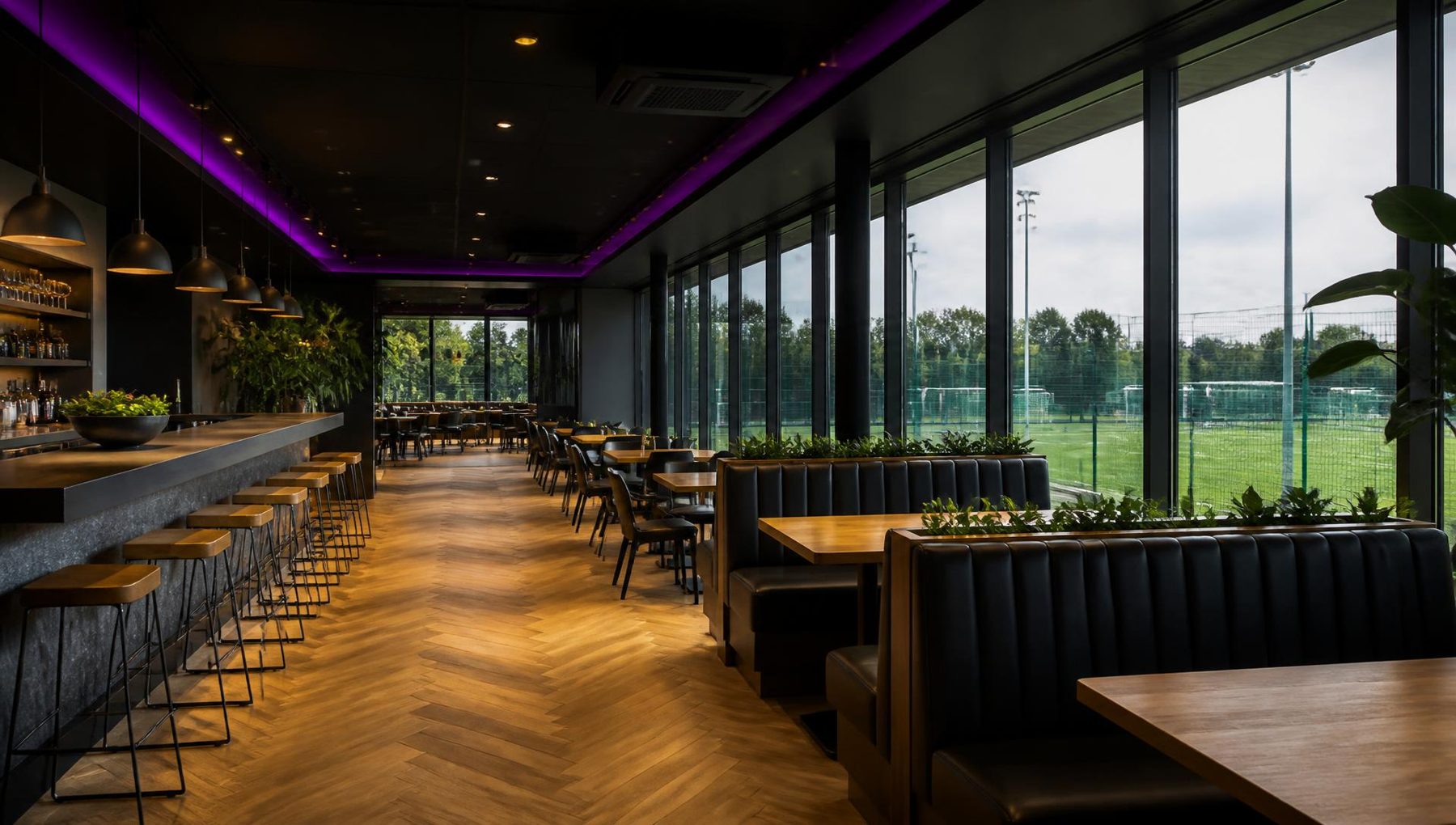
One commercial kitchen serving the café, restaurant, members’ lounge, rooftop bar, event catering and athlete meal plans, with retail crossover in merchandise and nutrition.
Conference and events
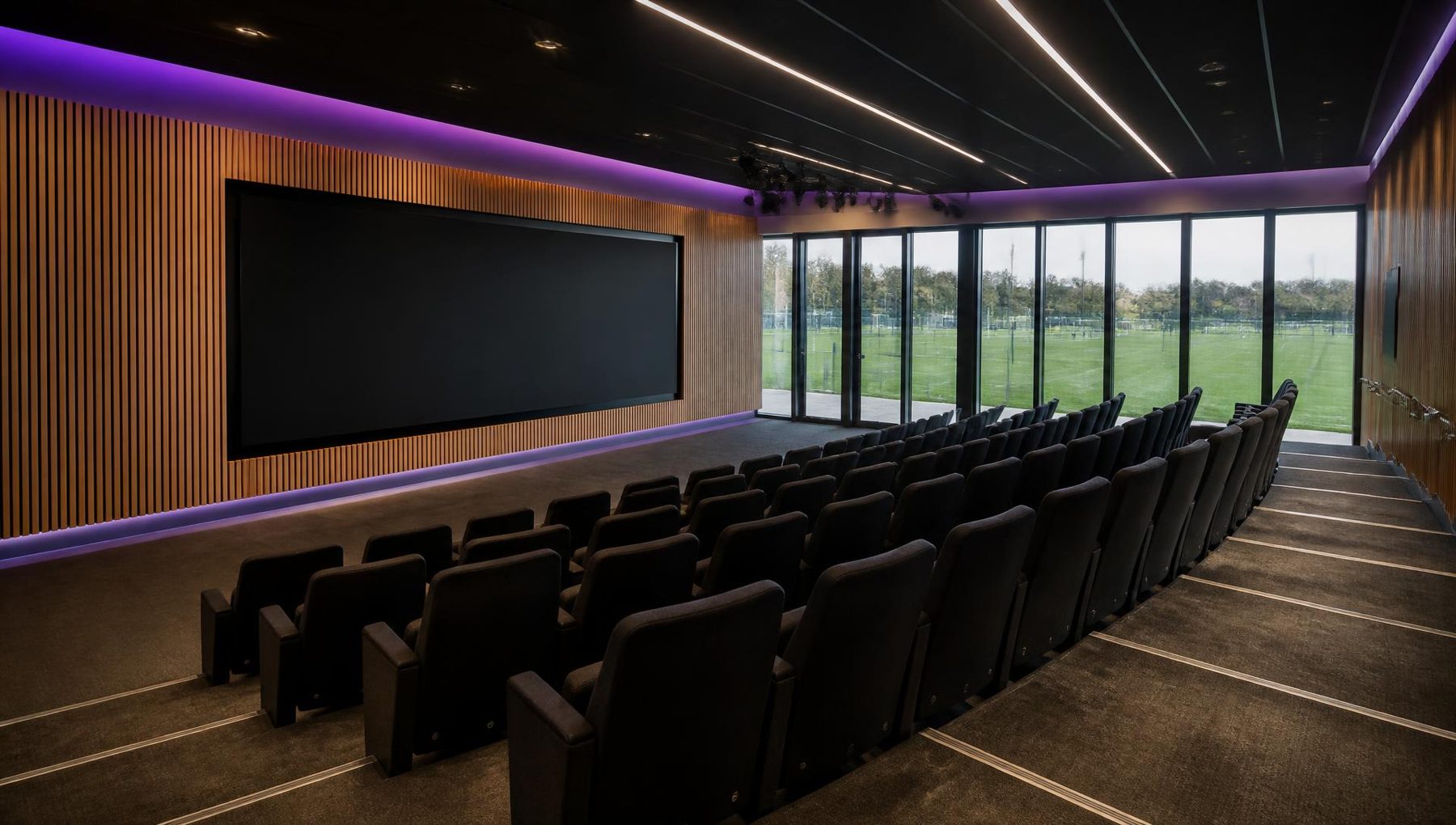
Corporate conferences, away days, coach education, governing-body courses, awards evenings, sponsor events and private functions, trading across weekdays and weekends alike.
Hospitality and the Rooftop Club
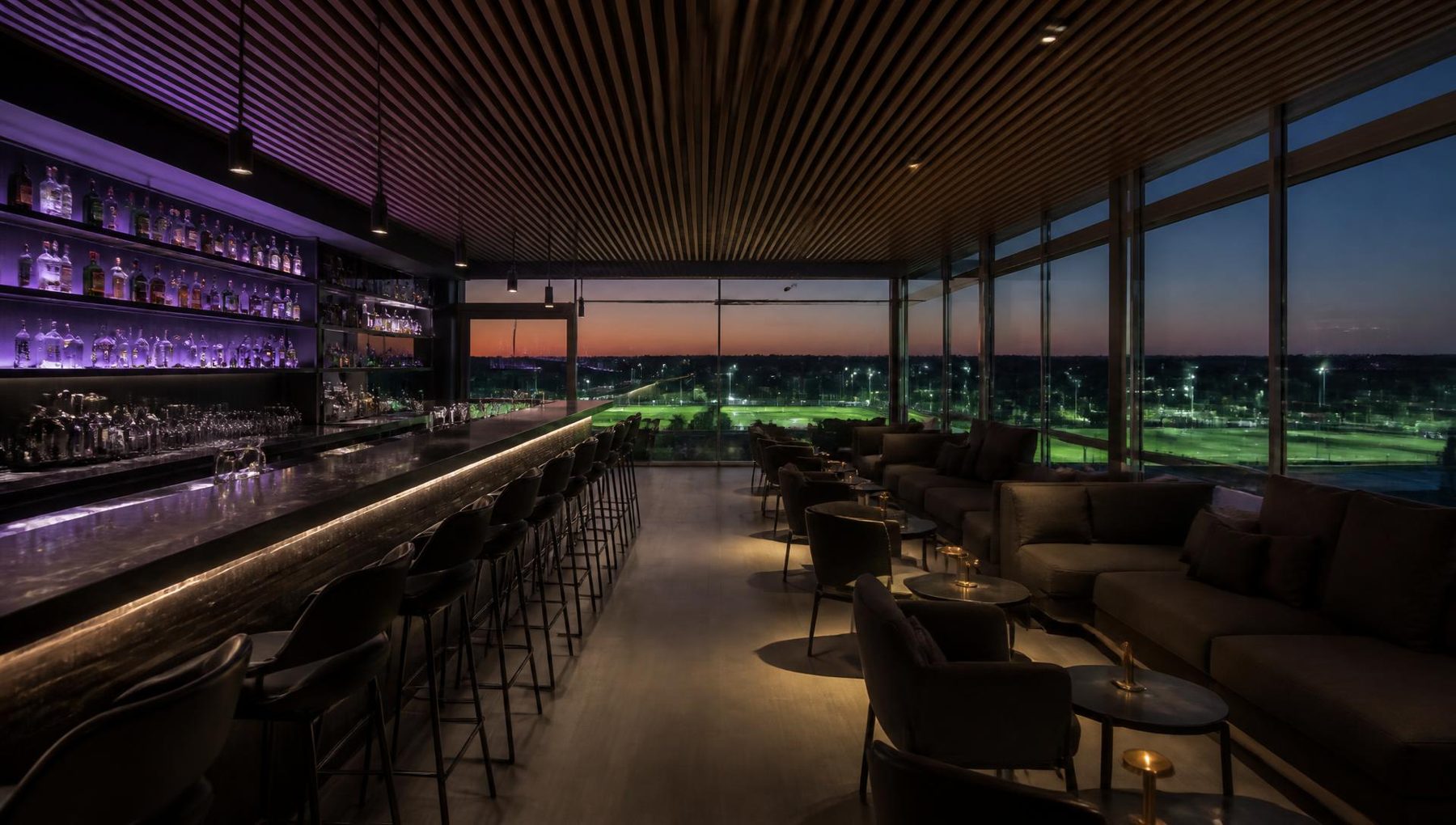
Match-day hospitality, a potential members’ club, seasonal terrace trade and private hire, all supported by the same kitchen and front-of-house team.
Pitch hire and programmes
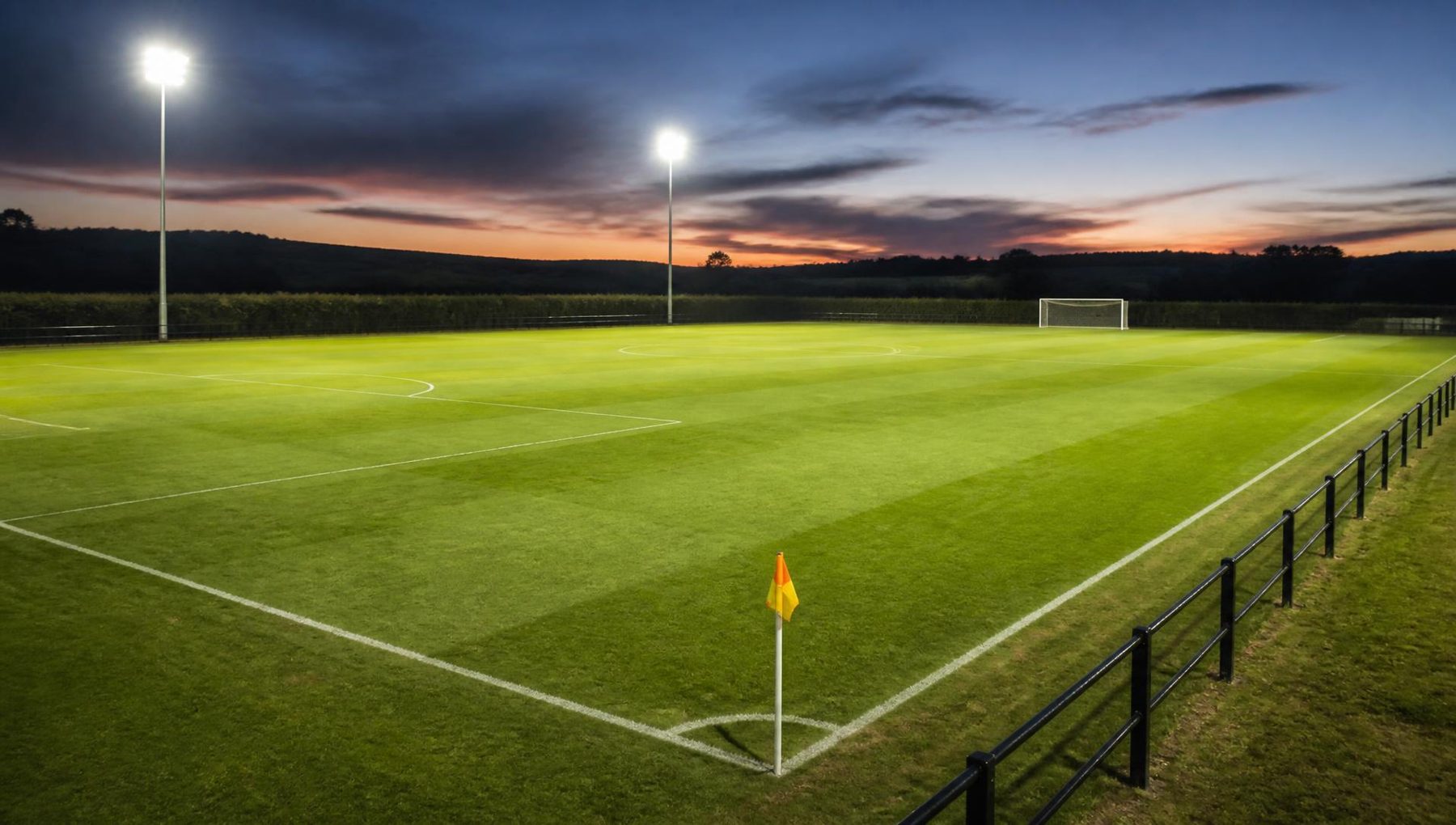
Club and county hire, schools programmes, holiday camps, tournaments, community leagues and pathway sessions across four full-size pitches.
Clinical, education and services
Physiotherapy, sports medicine, screening and rehabilitation alongside education delivery, coach qualifications and consultancy work drawing on the Institute’s performance team.
Player development model
Developing players is a service, and it has a value
Athletes joining the academy would be offered development contracts running to the age of 21. Where a club wishes to sign a player before that term ends, a buy-out is payable — and a sell-on entitlement is retained on any future transfer.
01
Development contracts
Players are supported to the age of 21 with coaching, strength and conditioning, testing, analysis, medical care, education and welfare provision, under agreements written to governing-body standards.
02
Early buy-out
A club signing a player before the contract term ends pays a buy-out reflecting the years of investment made. Tariffs would be banded by age and stage, and never act as a barrier to a player’s progression.
03
20% sell-on entitlement
The Institute retains an entitlement to 20 per cent of any future transfer fee received for a player it developed — a long-tail return that grows as the women’s transfer market matures.
| Stage | Band | Basis |
|---|---|---|
| Under 16 | Foundation | Compensation set by governing-body framework |
| 16 to 18 | Development | Buy-out tariff reflecting years invested |
| 18 to 21 | Professional | Highest tariff band, plus sell-on entitlement |
All contractual arrangements described here are proposed and indicative. They would be drafted with specialist sports-law advice and operated in accordance with the rules of the relevant governing bodies, with player welfare and safeguarding taking precedence over any commercial consideration.
Investment
Indicative development cost
At this stage the proposal is expressed as a broad range rather than a fixed figure, because a fixed figure before survey, design development and procurement would be a guess dressed as a number.
Total development, indicative
£40m – £60m
Subject to professional validation. The range covers land, building, pitches, infrastructure, fit-out and professional fees, and would be refined through feasibility, design development and formal cost planning.